
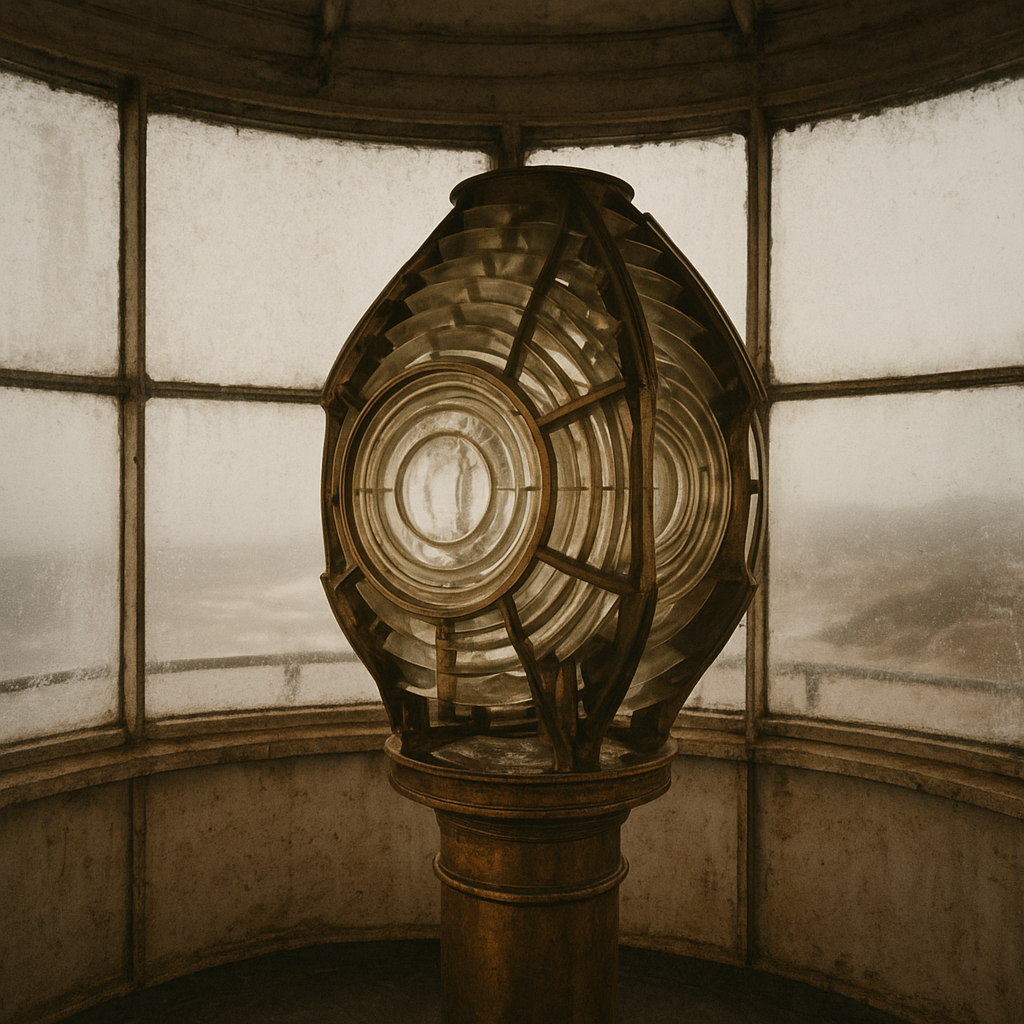
Headland towers
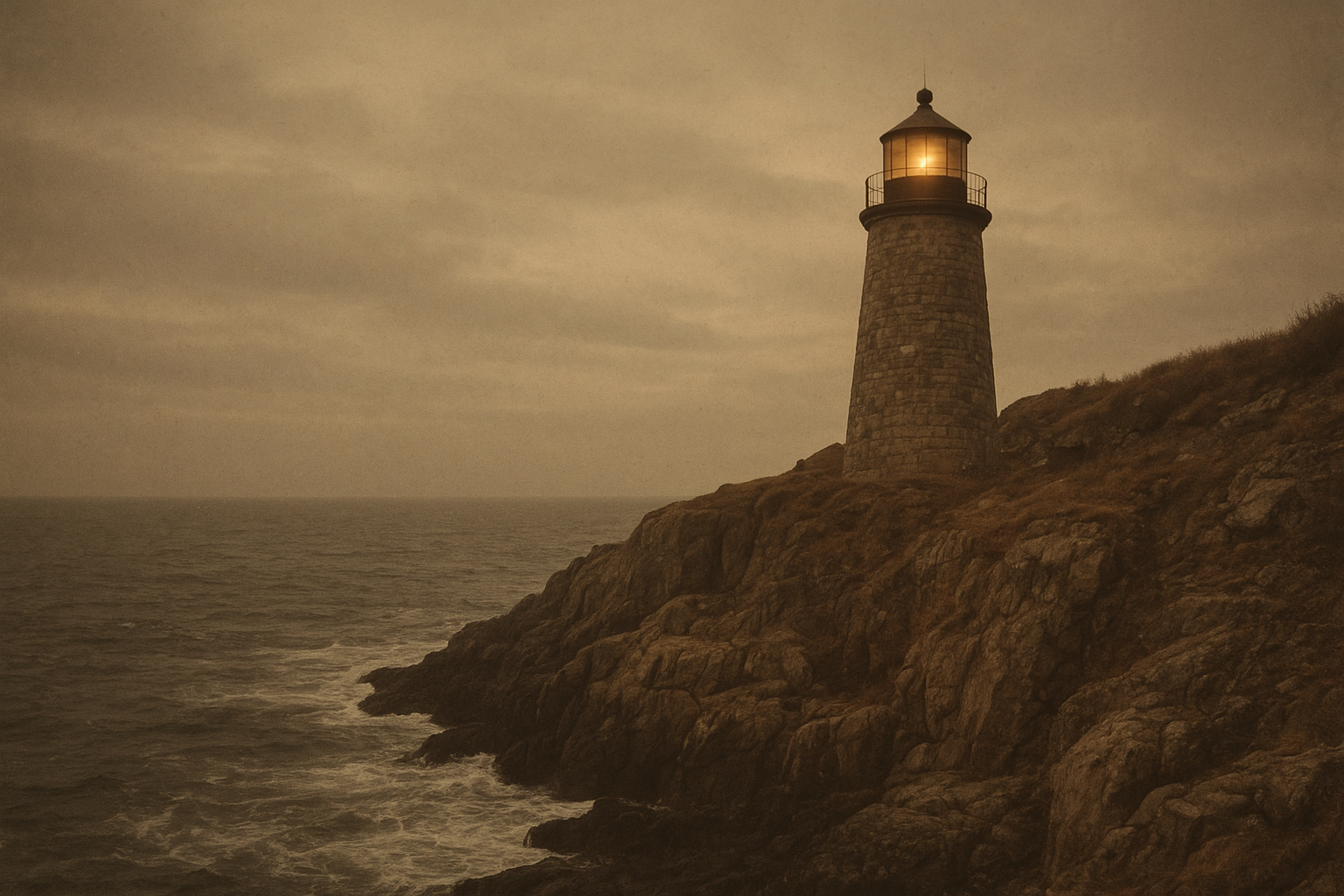
Stone and brick beacons built on exposed promontories to mark dangerous approach lines.
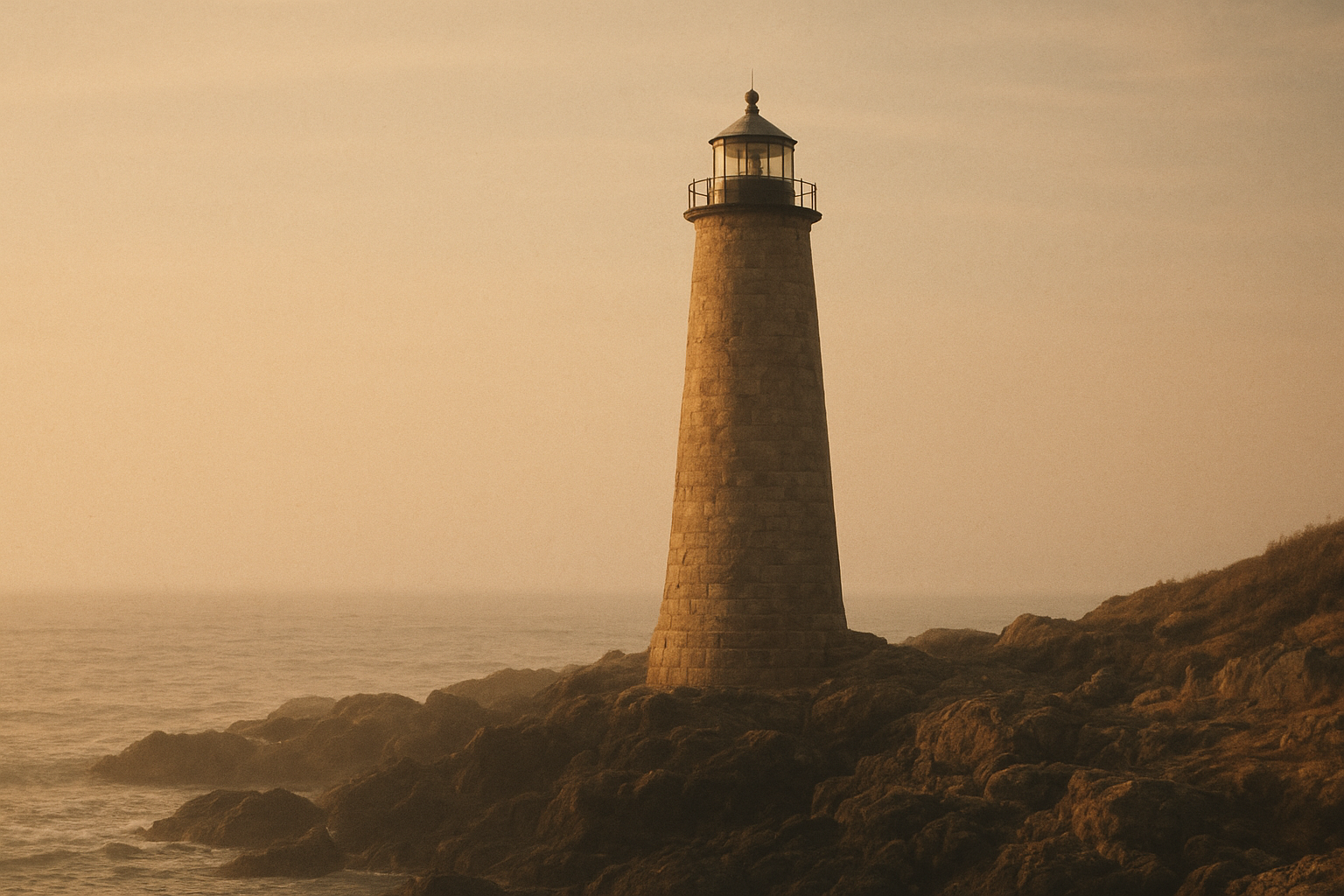
A warm documentary archive of towers, keeper lives, and coastal memory.
From the archive
A quick look at preserved towers, keeper routines, and shoreline weather across decades.
This archive gathers the northern coast’s lighthouse record into one readable reference: photographs, keeper accounts, and place-based notes that keep working towers and their histories connected to the communities around them.
Preserved tower overview
A concise guide to the tower types represented in the archive, with quick context before you browse by place.
Stone and brick beacons built on exposed promontories to mark dangerous approach lines.
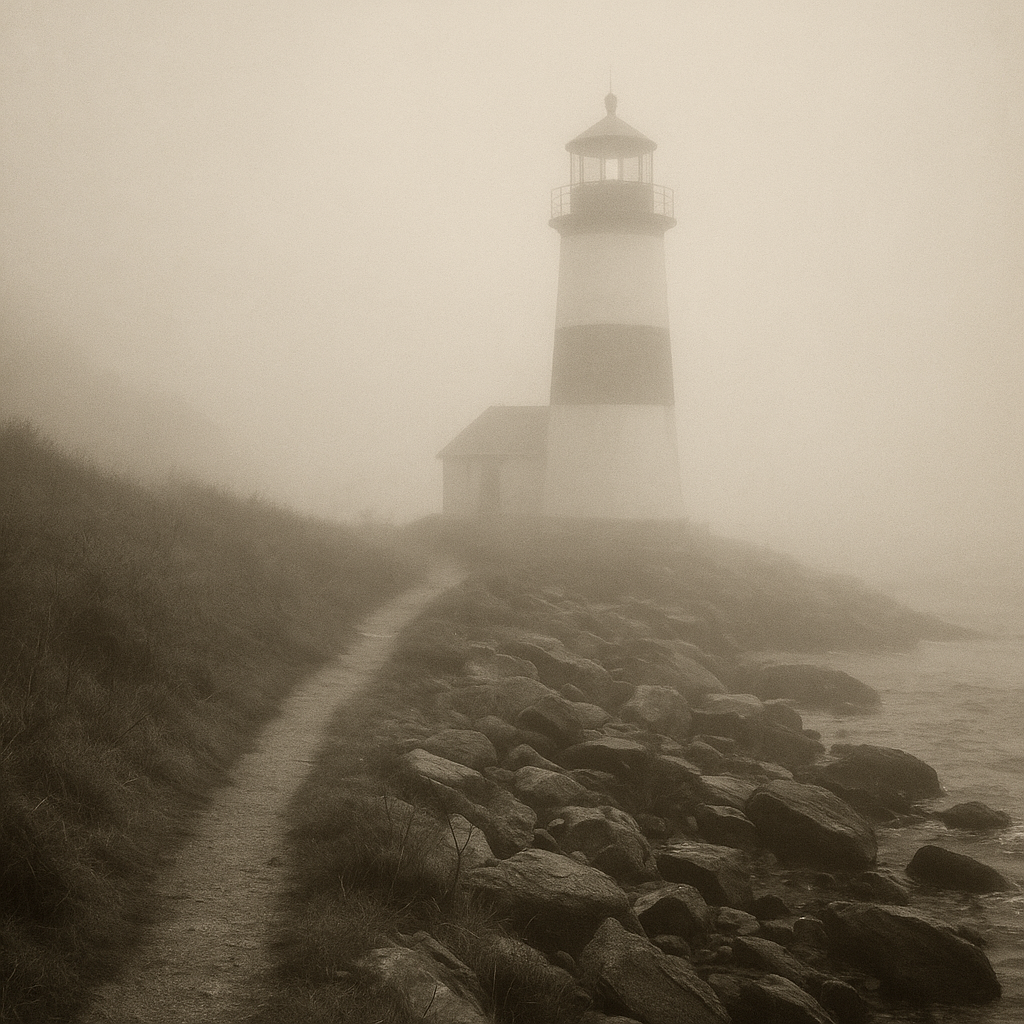
Compact station towers that guided coastal traffic through shifting bars and sheltered channels.
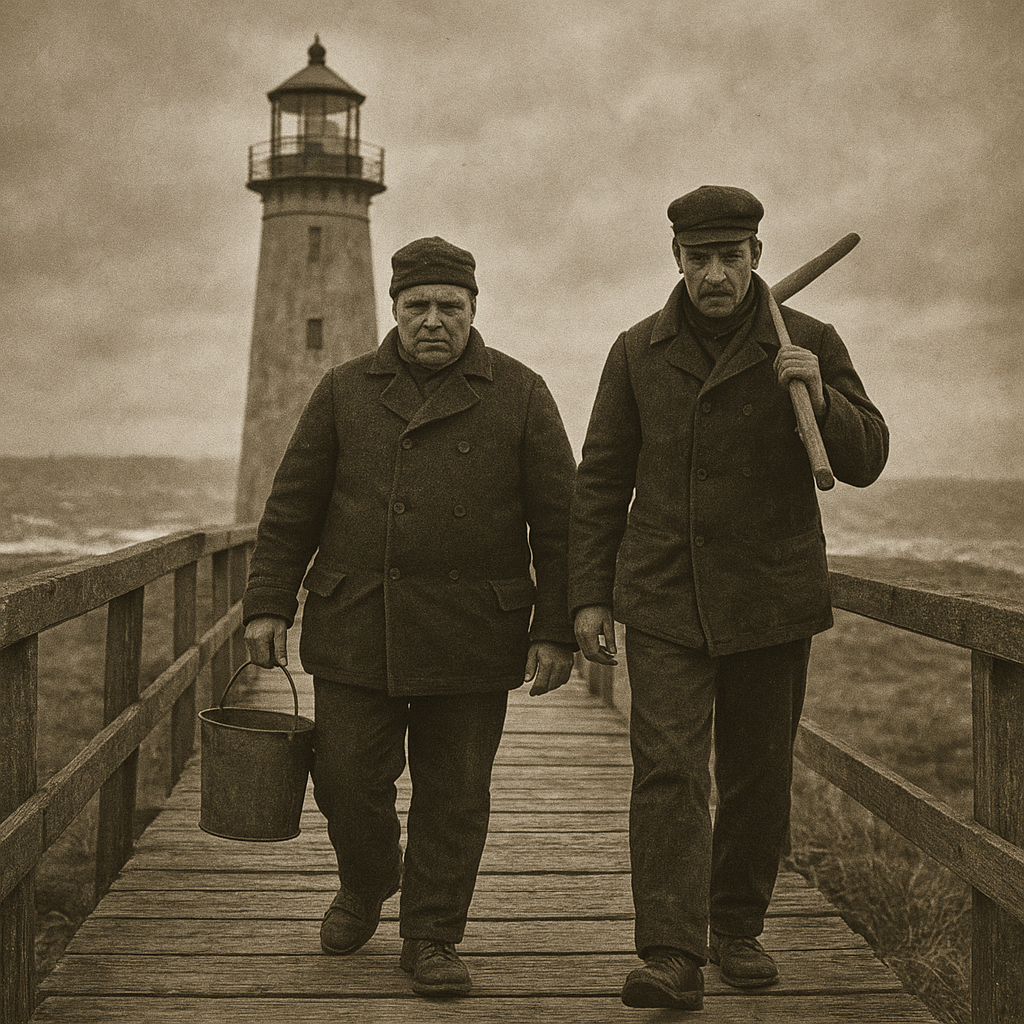
Remote offshore lights where keepers managed weather, fuel, and isolation year-round.
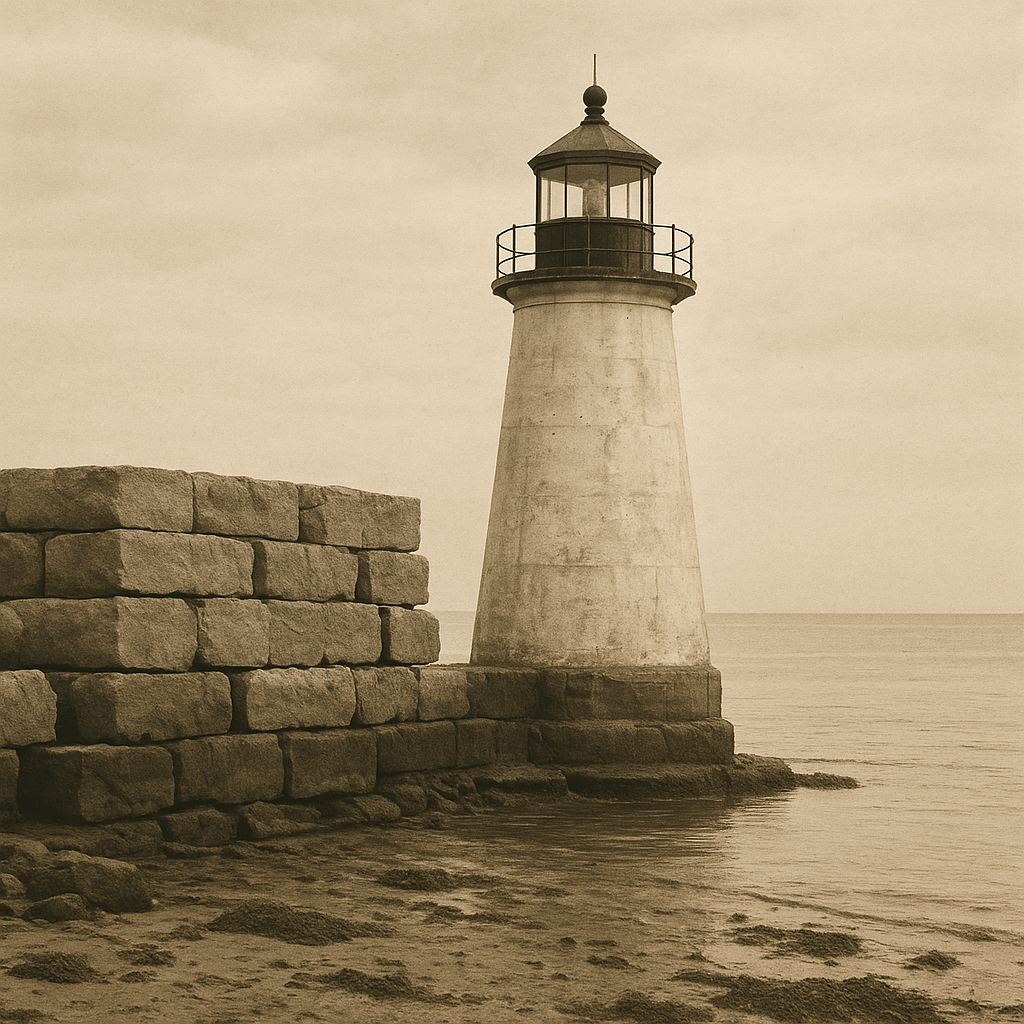
Preserved or reconstructed towers that trace major restoration chapters in coastal history.
Coastline timeline
Five moments that frame how towers were built, staffed, modernized, and preserved along the coast.
1820s
First permanent lights appear at harbor entrances to reduce winter wrecks.
1864
Standardized keeper logs begin, documenting weather, lamp care, and rescues.
1890s
Fresnel lenses and improved station housing reshape daily life on remote points.
1937
Radio beacons and electrification begin reducing dependence on manual routines.
Present day
Preservation groups maintain surviving towers as coastal heritage landmarks.